Blue Devils Football Mascot Graphics for Local Crafts
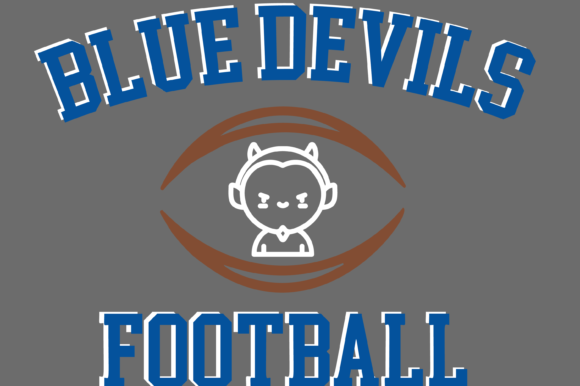
As a brand designer working with local businesses and community organizations, my first impression of the Blue Devils Football High School Mascot asset is that it carries an immediate sense of established tradition and spirited energy. This is not a generic clipart illustration; it possesses the bold lines and confident posture required for serious small business branding within the sports and education sector. The mood is undeniably energetic yet disciplined, suggesting a brand personality that values teamwork, resilience, and community pride. For a local print shop, apparel boutique, or promotional product vendor, this graphic design asset feels ready for commercial application rather than just personal crafting. It strikes a balance between vintage athletic aesthetics and modern vector cleanliness, making it suitable for businesses that need to evoke nostalgia while maintaining professional production standards.
Evaluating Vector Integrity for Apparel and Merchandise Production
When reviewing design assets for real-world production, file versatility is non-negotiable. This package includes SVG, DXF, EPS, PNG, PDF, and AI formats, which covers the entire spectrum of commercial design needs. For a local screen printing shop creating varsity jackets or spirit wear, the AI and EPS files are critical. They allow for anchor point manipulation, ensuring that when the mascot is scaled up for a stadium banner or down for a sleeve patch, the edges remain crisp. The inclusion of DXF files specifically targets the vinyl cutting market, allowing crafters and small business owners to produce car decals and iron-on transfers without tracing artifacts.
From a packaging design perspective, the high-resolution PNG with transparency is invaluable for mockups. When I design merchandise tags or packaging sleeves for fan gear, I need to overlay the mascot onto textured backgrounds or colored cardstock. A clean PNG ensures no white boxing ruins the visual hierarchy. Furthermore, having the source AI file means a designer can easily swap out colors to match specific school district Pantone shades, a frequent requirement in local business contracts where brand consistency is legally mandated. This level of editability transforms a simple illustration into a flexible system for brand identity.
Strategic Placement Across Promotional and Retail Touchpoints
In a recent project conceptualizing a pop-up shop for high school booster clubs, I evaluated where this Blue Devils Football High School Mascot performs best. It excels as a hero graphic on t-shirts and hoodies, serving as the primary focal point that drives emotional connection. However, its utility extends far beyond apparel. For marketing visuals, this asset works exceptionally well on coffee mugs and tumblers, where the circular composition often found in football mascots adapts naturally to curved surfaces. In retail environments, it serves as effective shelf talkers or window clings that signal team affiliation instantly to passing customers.
For digital applications, such as social media graphics or website headers, the mascot provides instant recognition. When designing Instagram templates for game day announcements or fundraising drives, the bold silhouette reads clearly even at thumbnail sizes. This supports stronger customer trust and engagement because the audience immediately recognizes the symbol. In editorial layouts for programs or newsletters, the mascot acts as a visual anchor, breaking up dense text and guiding the reader’s eye through the content. It is particularly effective on thank-you cards included with online orders, reinforcing the community bond between the seller and the buyer.
Navigating Visual Hierarchy and Licensing Compliance
While the Blue Devils Football High School Mascot is versatile, experienced designers know where to exercise caution. This asset should be used carefully in formal corporate sponsorship materials where a more subdued, typographic approach might convey greater professionalism. It is also challenging to use on very small product labels, such as hang tags or size stickers, where intricate details like helmet stripes or facial expressions may bleed together during printing. In these instances, I recommend using a simplified icon version or relying solely on typography to maintain legibility.
Furthermore, designers must avoid placing this detailed illustration against busy photographic backgrounds or low-contrast textures. The mascot demands negative space to breathe; crowding it with ingredient lists, legal disclaimers, or complex patterns diminishes its impact. For luxury minimalist brands targeting high-end alumni donors, this bold athletic style might clash with elegant serif typography and muted color palettes. Always test the asset in black and white first. If the design loses its character without color, it may not be robust enough for single-color embroidery or embossing applications common in premium product label design.
Critically, any professional using this for client work must verify the commercial license. While the asset is perfect for creating school shirts or fan gear, selling products featuring this mascot requires clear rights. Small business owners and handmade sellers should confirm they have the appropriate usage tier before listing items on Etsy or Shopify. This protects both the designer and the client from intellectual property disputes. Additionally, always compare the mascot against existing competitor packaging or local team branding to ensure distinctiveness. If three other vendors are using the same stock asset, consider customizing the colors or adding unique typographic treatments to create a proprietary look.
Practical Designer Notes for Professional Implementation
To maximize the value of this graphic design asset, I recommend a rigorous testing phase before final production. Open the SVG in multiple programs (Illustrator, Inkscape, Canva) to check for compatibility issues. Test the design beside various font styles: pair it with a bold sans-serif for modern athletic wear, a slab serif for vintage Americana vibes, or a script font for feminine fan accessories. Each combination shifts the brand perception significantly.
- Mockup Validation: Never approve a design without seeing it on a realistic product mockup. Digital screens lie about scale; a mascot that looks perfect on a monitor might be overwhelming on a coffee mug or invisible on a pen.
- Print Quality Check: Request a physical proof if possible. Colors shift from RGB to CMYK, and fine lines in the mascot’s uniform may require trapping adjustments to prevent registration errors on press.
- Color System Integration: Do not rely on default swatches. Build a custom color palette derived from the mascot to ensure all supporting elements (backgrounds, borders, text) feel cohesive and intentional.
- Audience Testing: Show the design to actual fans or parents. Their emotional response is the true metric of success for local business branding in this niche.
Ultimately, the Blue Devils Football High School Mascot is a powerful tool for creative entrepreneurs serving the scholastic athletics market. Whether utilized for SVG design projects involving Cricut machines or large-format printable design for stadium signage, its technical quality and stylistic relevance make it a staple asset. By approaching it with professional scrutiny—testing scalability, respecting licensing, and prioritizing visual hierarchy—designers can elevate simple fan gear into a cohesive brand experience that resonates deeply with the local community. The difference between amateur crafting and professional branding lies in this deliberate evaluation process, ensuring every pixel serves the business goal.